Industrial Painting Services Explained
Industrial facilities require specialized care to maintain safe operations, protect structural materials, and support a clean and professional environment. One of the most important aspects of facility maintenance is high-quality industrial painting. This service extends far beyond applying a new coat of paint. It involves preparation, coating selection, environmental considerations, and protective strategies that support long-term durability. Whether you operate a warehouse, plant, manufacturing center, or commercial property, understanding what industrial painting entails helps you make informed decisions about maintaining your space. According to Workyard, interiors of commercial properties are typically repainted every 2 to 4 years to address maintenance, wear and tear, and branding updates. This timeframe demonstrates how crucial ongoing surface protection is for structural longevity and brand consistency. By gaining a clear understanding of how industrial painting works, you can determine what your facility needs and how professional services can improve its performance, safety, and appearance.
Understanding What Industrial Painting Includes
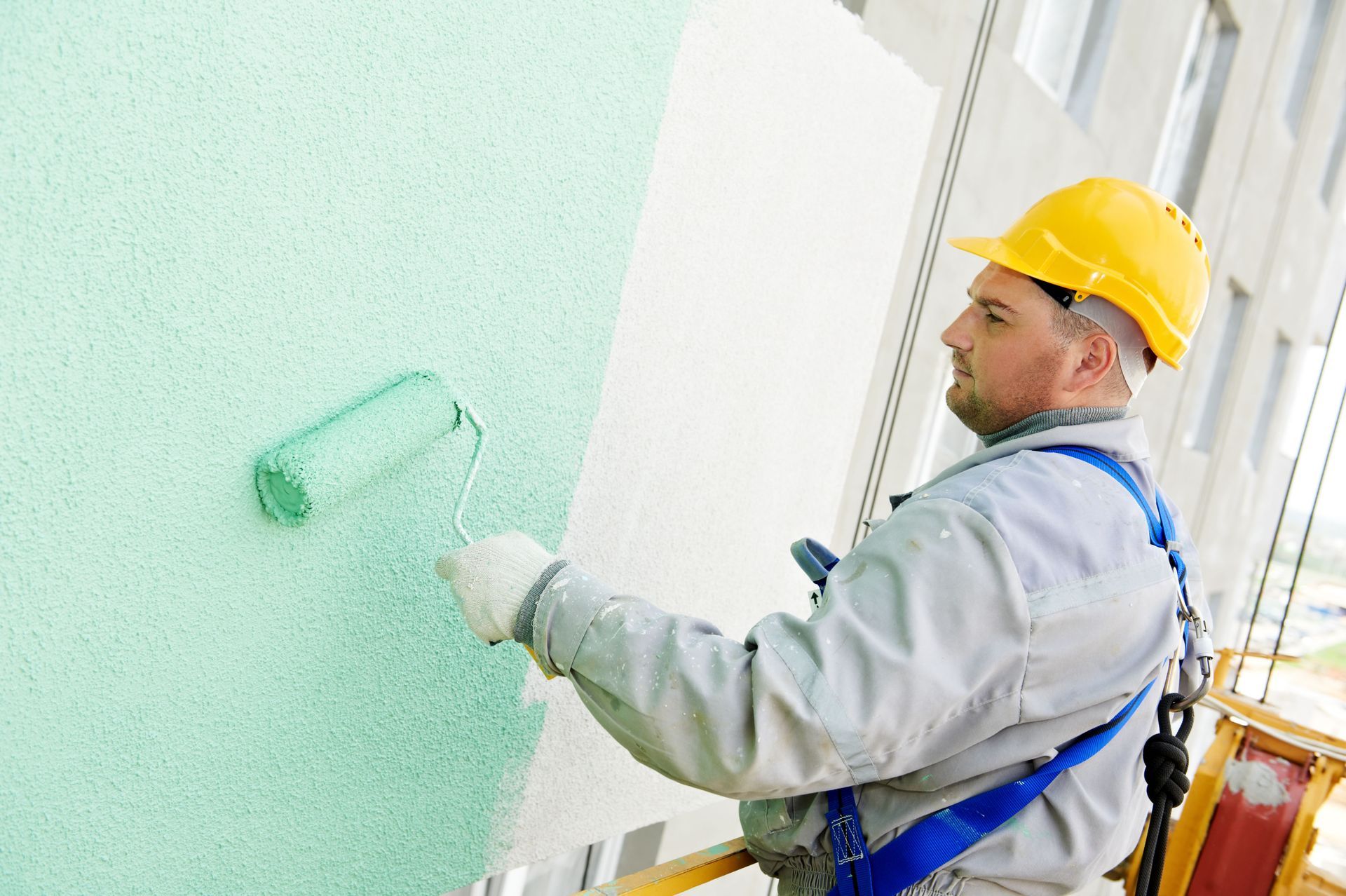
Industrial painting involves a specialized set of techniques, tools, and coatings designed to withstand harsh environments. Unlike standard commercial painting, this type of work must account for heavy machinery, chemicals, temperature fluctuations, and continuous wear. Proper preparation is one of the most important steps. Surfaces must be cleaned thoroughly, often through industrial cleaning, to remove contaminants that could interfere with coating adhesion. Depending on the environment, abrasive blasting, pressure washing, or chemical cleaning may be required.
The painting phase may include primers, sealants, and protective coatings tailored to the facility’s needs. Industrial painting supports corrosion resistance, moisture protection, safety visibility, and long-term durability. This makes it essential for manufacturing plants, warehouses, processing facilities, and any space that demands robust, long-lasting surface protection.
Preparing Surfaces Correctly to Support Effective Coating Application
Preparation is the foundation of successful industrial painting. Before any coatings are applied, the surface must be cleaned and inspected to identify structural concerns. Industrial cleaning services are often used to remove dirt, oil, grease, chemicals, and other contaminants. Clean surfaces allow coatings to bond properly and extend their lifespan.
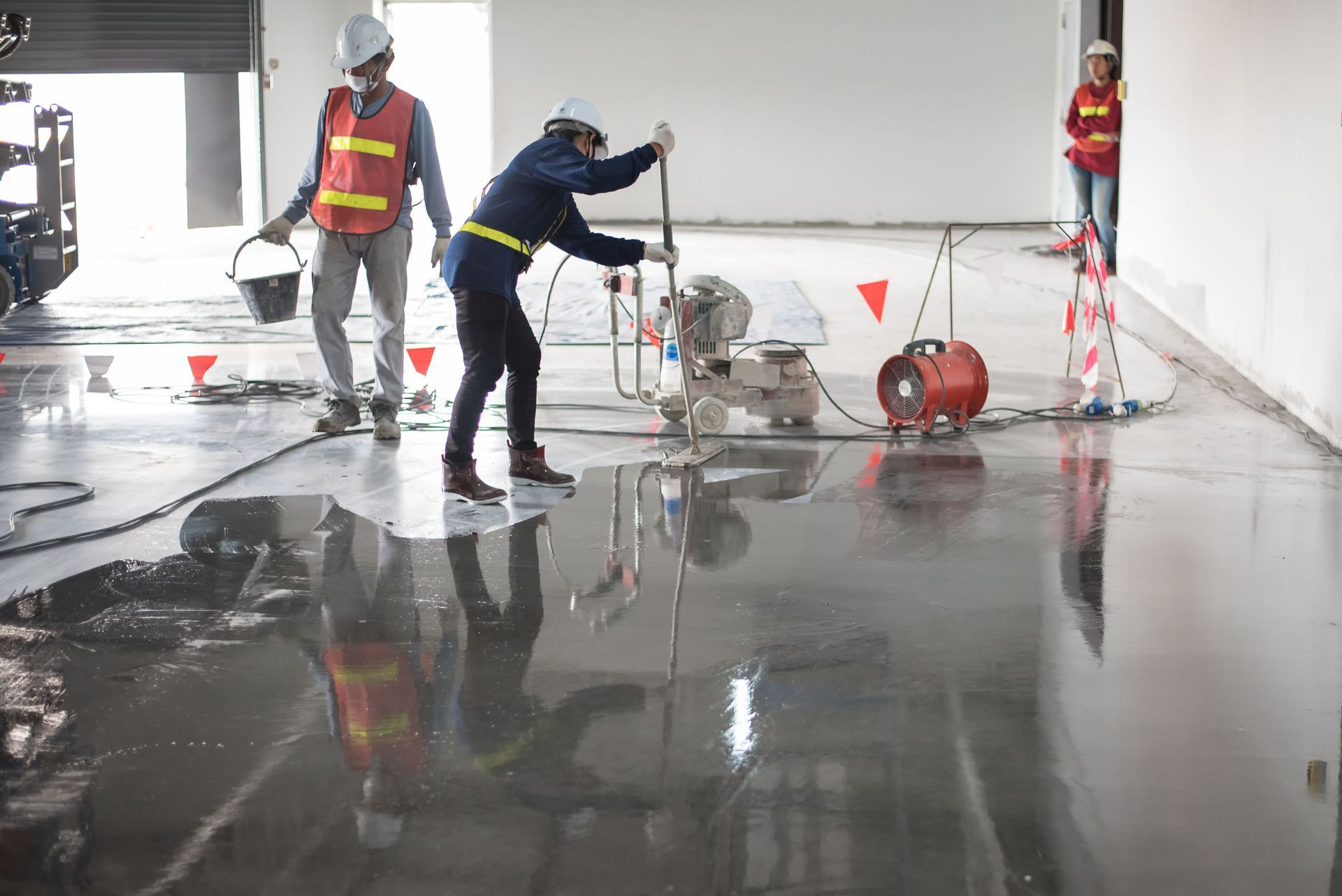
Depending on the material and the environment, preparation may involve sanding, grinding, abrasive blasting, or pressure washing. When surfaces are not properly prepared, coatings may peel, blister, or fail prematurely. Effective preparation also helps identify areas that require repair, such as rust, corrosion, or minor structural deterioration. By addressing these issues first, industrial painting becomes more durable and effective.
Professional teams evaluate the condition of concrete, metal, wood, and composite surfaces and determine which preparation method is best suited for each area. This ensures even coverage and long-term performance.
Selecting Specialized Coatings to Meet Facility Needs
One of the most important parts of industrial painting is choosing the right coating system. Each facility has unique needs based on its environment, operations, and regulatory requirements. Coatings can include anti-corrosion formulas, chemical-resistant coatings, moisture barriers, high-heat coatings, and epoxy systems.
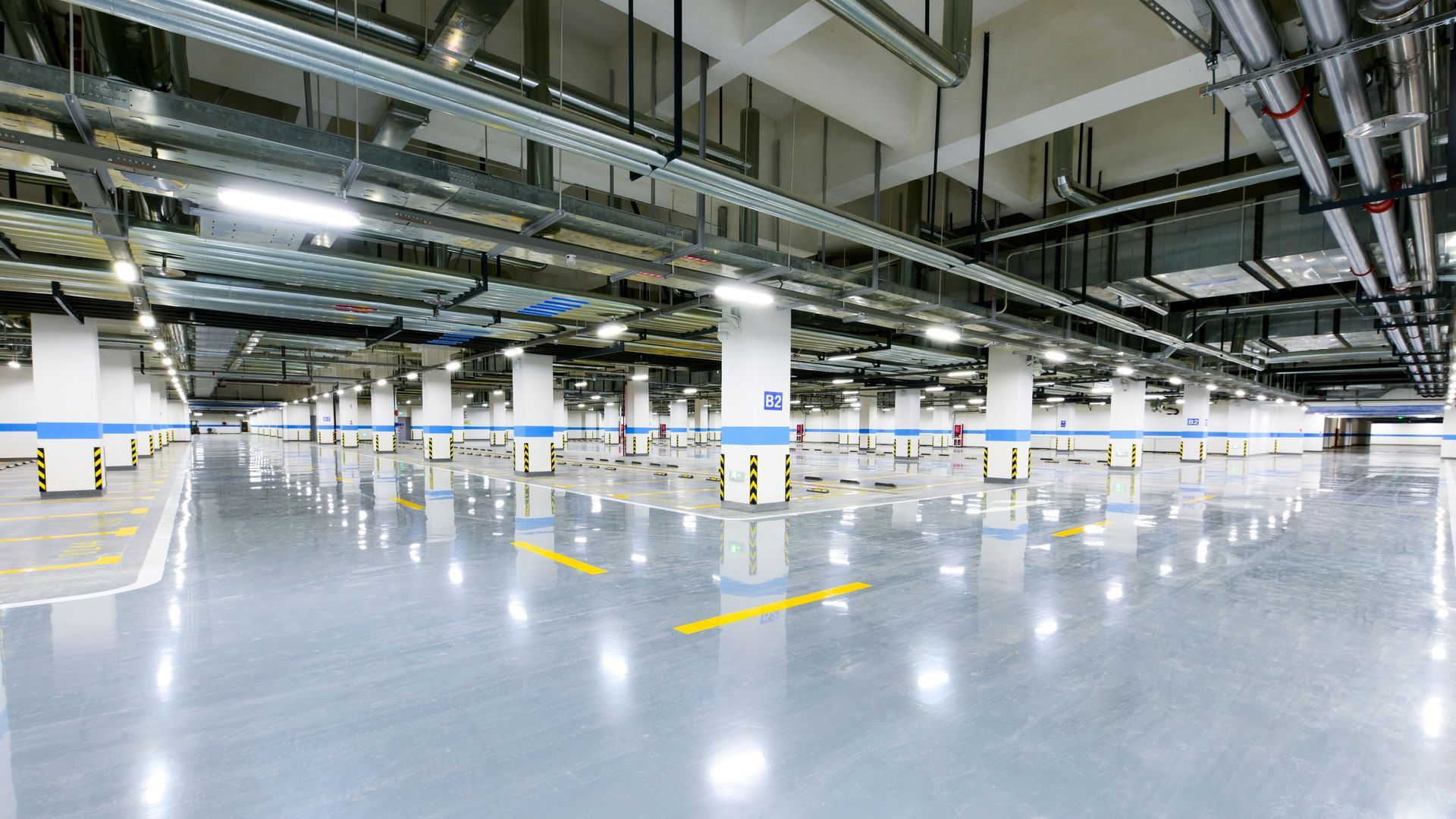
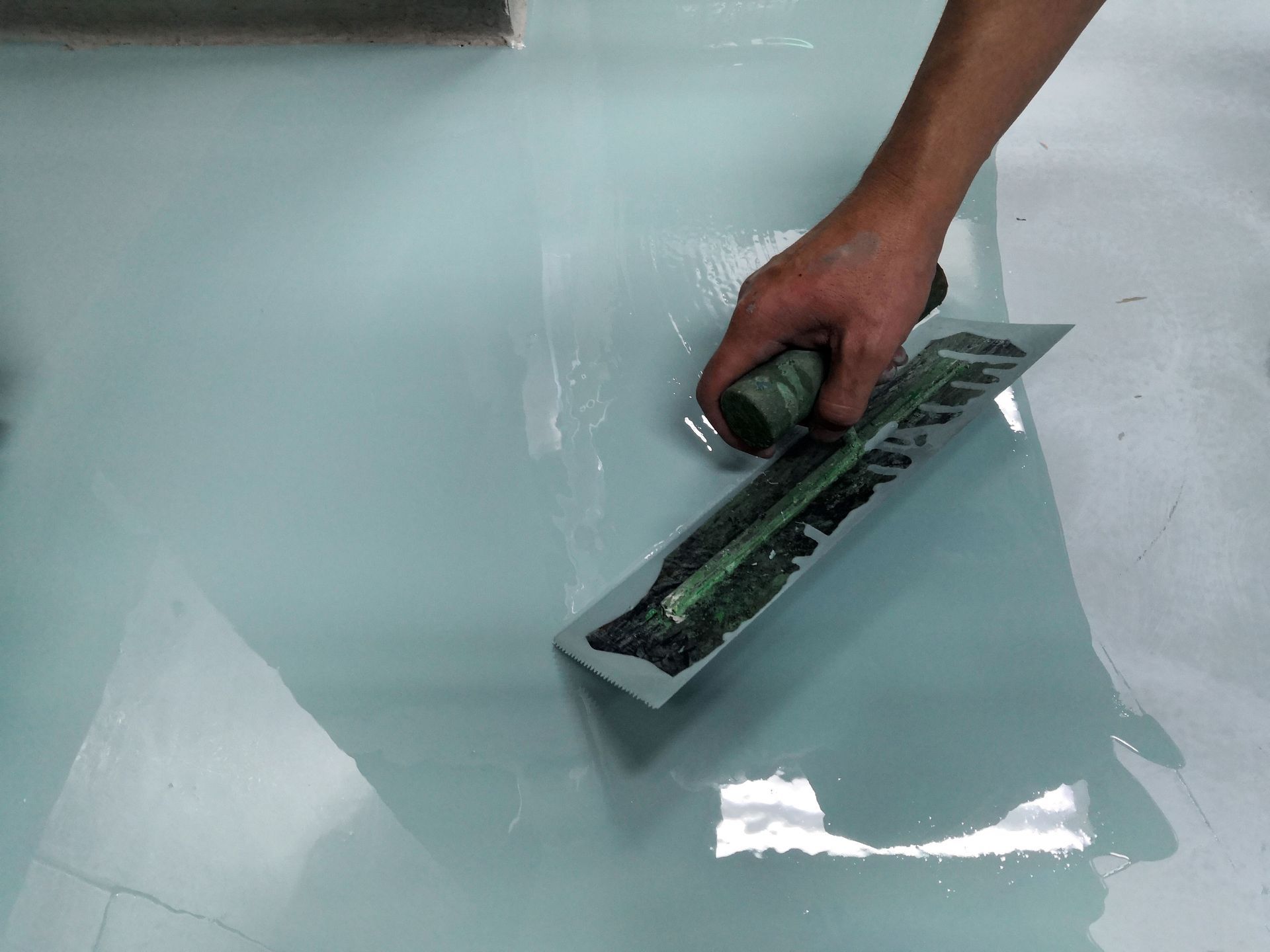
Industrial epoxy coatings are often used in environments that require strong chemical resistance and long-lasting protection. These coatings can be applied to floors, machinery bases, and walls to increase durability. Commercial epoxy flooring provides additional strength in high-traffic areas, supporting daily operations while minimizing damage.
Selecting the right product involves evaluating chemical exposure, temperature conditions, moisture levels, and daily impact. A professional team ensures the coating system complements the facility’s operational demands. Choosing the wrong coating can lead to increased maintenance, safety risks, and unnecessary costs. Industrial painting specialists use their knowledge to match coatings to each specific application, improving long-term performance.
Protecting Facilities from Corrosion and Environmental Damage
Corrosion is one of the biggest challenges in industrial settings, especially in facilities that use chemicals, produce moisture, or operate near coastal environments. Industrial painting helps protect metal structures, support beams, machinery housings, and exterior surfaces from rust and degradation. Without protective coatings, corrosion can weaken structural components and create safety hazards.
Coating systems act as a barrier between the surface and environmental threats. They prevent moisture, chemicals, and oxygen from causing deterioration. Over time, this protection reduces repair costs and helps maintain a safer workspace. The right coating strategy improves operational efficiency by minimizing downtime caused by maintenance needs.
Some facilities require specialized coatings for extreme temperatures, humidity control, or outdoor exposure. By applying the correct protective layers, industrial painting helps extend the lifespan of industrial equipment and building materials.
Enhancing Workplace Safety Through Strategic Painting
Industrial painting is also used to improve safety by marking hazardous zones, identifying walkways, and defining operational areas. Clear visual indicators reduce workplace accidents and support compliance with safety standards. Lines, labels, and color coding help employees navigate spaces with moving equipment, chemicals, or restricted access.
In addition to floor markings, bright and durable coatings can be applied to machinery, railings, and overhead structures to improve visibility. Commercial ceiling and wall cleaning may be completed before painting to remove dirt and contaminants that obscure visibility or reduce lighting efficiency. By improving clarity and contrast, industrial painting supports safer daily operations.
A professional approach ensures markings comply with safety guidelines and remain visible over time. This contributes to a more organized, efficient work environment.
Supporting Facility Branding and Clean, Professional Appearance
A clean, well-maintained facility supports the professionalism and credibility of your business. Industrial painting helps refresh interior and exterior surfaces, improve employee morale, and provide a welcoming environment for clients and partners. Many companies use industrial painting to update branding colors, reinforce company identity, or modernize outdated spaces.
Commercial painting services support these goals by delivering polished, uniform finishes that align with brand standards. Over time, surfaces accumulate dust, stains, and deterioration. Commercial ceiling and wall cleaning can be completed before new coatings are applied to ensure a consistent appearance.
Consistent repainting is essential for maintaining a professional image. As noted earlier, according to Workyard, interiors of commercial properties are typically repainted every 2 to 4 years to address maintenance, wear and tear, and branding updates. Industrial painting supports this cycle by providing long-lasting, high-quality finishes that reflect the professionalism of the business.
Restoring Damaged Surfaces to Improve Structural Stability
Over time, industrial facilities experience wear that can lead to structural deterioration. Commercial restoration services may be necessary to repair damaged walls, ceilings, floors, or surfaces before painting begins. Restoring a surface ensures that coatings adhere properly and remain intact for years.
Cracks, chips, rust, water stains, and chemical damage are all common problems in industrial environments. Restoration helps correct these issues and strengthens the structure before the new coatings are applied. If these problems are ignored, they can worsen and create safety hazards or operational disruptions.
Commercial restoration and commercial restoration services provide the foundation needed for successful industrial painting projects. After surfaces are repaired, primed, and cleaned, coatings can be applied more effectively, resulting in better performance and extended service life.
Maintaining Long-Term Performance Through Scheduled Cleaning and Care
Once industrial painting has been completed, routine maintenance is essential to preserve the coating’s integrity. Industrial cleaning and commercial cleaning help remove dust, residue, and contaminants that can degrade surfaces over time. These services keep facilities looking clean while preventing buildup that may interfere with coating performance.
Scheduled maintenance helps identify trouble spots early and prolongs the lifespan of industrial painting projects. When surfaces are cared for consistently, coatings remain bright, protective, and resilient. This reduces long-term costs by minimizing the need for extensive repairs or repainting.
Professional teams can develop a maintenance plan that fits your facility’s needs and supports ongoing operational goals.
Industrial painting is a critical part of facility maintenance that protects structures, improves safety, enhances appearance, and supports long-term performance. Through careful preparation, customized coating selection, corrosion prevention, strategic markings, and ongoing care, these services deliver essential benefits for industrial and commercial environments. Whether your facility needs protective coatings, updated branding, or restoration before painting, these services help create a safer, more efficient, and more professional workspace. To schedule high-quality industrial painting or related maintenance solutions for your facility, contact BICS Inc.
Share On: