FNPA 660 Compliance
FNPA 660 Standard
🔥 NFPA 660 – What Industrial Cleaning Providers Need to Know
NFPA 660 (2024) consolidates multiple combustible dust standards (formerly NFPA 652, 654, 61, 484, etc.) into one comprehensive standard for combustible dust hazard management.
From a BICS-type industrial cleaning perspective, this standard directly impacts how you scope, clean, document, and communicate dust removal projects — especially in wood shops, grain handling, food processing, metal, plastics, and manufacturing facilities.
Below is what you need to know to help your customers stay compliant and reduce explosion risk.
1️⃣ The Big Picture: What NFPA 660 Requires
NFPA 660 requires facilities that generate combustible dust to:
- Conduct a Dust Hazard Analysis (DHA)
- Identify areas where combustible dust is present
- Implement housekeeping programs to prevent hazardous accumulation
- Use safe dust collection methods
- Prevent ignition sources
- Train employees
- Document inspection and cleaning schedules
⚠ Important: As a cleaning contractor, you are not responsible for performing the DHA unless contracted — but your work supports their compliance.
2️⃣ Dust Accumulation Limits (What Triggers a Hazard)
The standard uses a commonly referenced threshold:
🚨 1/32 inch (about the thickness of a paperclip)
If combustible dust accumulates to:
- 1/32” over 5% of a room’s floor area, or
- On elevated surfaces (beams, trusses, ductwork, lights)
It is considered a deflagration hazard.
Why This Matters for You
High dust on:
- Wood trusses
- Steel bar joists
- Overhead piping
- Conveyor covers
- Light fixtures
- Cable trays
= primary fuel source for secondary explosions.
3️⃣ Housekeeping Program Requirements
NFPA 660 requires facilities to implement:
✔ Written housekeeping procedures
✔ Defined cleaning frequency
✔ Inspection documentation
✔ Safe cleaning methods
This is where you become critical.
4️⃣ Acceptable Cleaning Methods Under NFPA 660
✅ Preferred Methods
- Industrial HEPA vacuum systems
- Central vacuum systems rated for combustible dust
- Explosion-proof dust collectors (when required)
- Wet cleaning (where compatible)
⚠ Limited / Conditional
- Compressed air blow-down (ONLY if):
- Dust collection is active
- Area is de-energized
- No ignition sources
- Proper ventilation exists
- DHA allows it
Many facilities violate this.
If you’re quoting blow-down cleaning, you must confirm:
- Area classification
- Ignition source control
- Dust collection strategy
5️⃣ Elevated Surface Cleaning (Critical in Wood & Manufacturing)
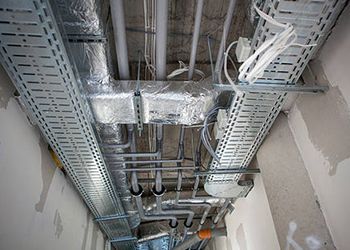
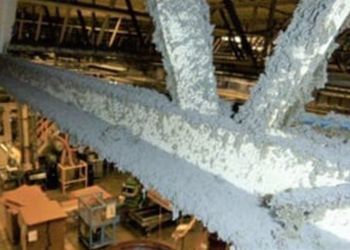
NFPA 660 specifically calls out:
- Structural members
- Trusses
- Mezzanines
- Above suspended ceilings
- Equipment tops
As an industrial cleaning provider, your overhead cleaning programs are one of the primary mitigation tools against catastrophic secondary explosions.
6️⃣ Dust Hazard Analysis (DHA) – What You Should Ask
When quoting a facility, ask:
- Has a DHA been completed?
- What materials are classified as combustible?
- What Kst value does the dust have?
- What areas are designated hazardous?
- Is there classified electrical equipment?
You don’t need to perform the DHA — but understanding it protects you and improves your scope accuracy.
7️⃣ Documentation – Protect Yourself & Help the Customer
To support compliance, provide:
✔ Cleaning scope description
✔ Areas cleaned
✔ Method used (HEPA vac vs blow-down)
✔ Date of service
✔ Before/after photos
✔ Recommended next cleaning interval
This becomes part of their audit trail.
For larger accounts, consider:
- Annual cleaning maps
- 3-year rotation schedules
- Risk-tiered frequency planning
8️⃣ Ignition Source Awareness (Critical for Your Crew)
NFPA 660 emphasizes controlling ignition sources:
- No non-rated equipment in classified areas
- No metal-on-metal sparking
- No unapproved lighting
- Static discharge control
- Proper lift use (avoid busbars, energized lines)
Given your experience dealing with busbars and elevated work risks, this directly ties into safe access planning.
9️⃣ Explosion Risk Chain (How Cleaning Breaks It)
Explosion requires:
- Fuel (dust)
- Oxygen
- Confinement
- Dispersion
- Ignition source
Cleaning removes fuel, breaking the chain.
This is the strongest way to position your service when selling compliance cleaning.
🔟 Industries Most Affected
- Wood manufacturing
- Grain & feed mills
- Food processing
- Metal dust operations (aluminum, magnesium)
- Plastics & composites
- Powder coating
If the dust has a Kst > 0 → combustible.
1️⃣1️⃣ How You Can Position BICS Strategically
Instead of selling “ceiling cleaning,” position it as:
✔ Combustible dust hazard mitigation
✔ NFPA 660 housekeeping compliance support
✔ Secondary explosion prevention
✔ Audit-ready documentation
✔ Risk reduction for insurance carriers
Insurance underwriters are increasingly asking about DHA and housekeeping frequency.
1️⃣2️⃣ Practical Implementation Strategy for Your Customers
You could recommend:
Tiered Cleaning Frequency Model
- High-risk zones: annually
- Moderate zones: every 2 years
- Low production storage: 3 years
Or:
- % of facility per year (rotational plan)
- Post-shutdown deep clean
- Quarterly inspection audits
⚖ Important Clarification
NFPA standards are not federal law — but:
- OSHA references them
- Insurance carriers enforce them
- Fire marshals cite them
- They become enforceable via local adoption
Meaning: Customers ignore this at their own risk.
🎯 Bottom Line for You as a Contractor
To help customers be compliant under NFPA 660, you should:
- Understand combustible dust thresholds
- Use compliant cleaning methods
- Avoid ignition sources
- Document your work
- Ask about the DHA
- Recommend cleaning frequency based on risk
- Avoid unsafe blow-down practices
Reviews

Any Written Quote
Share On: