
Colors Recommended by Industrial Painters
In industrial environments, paint is more than a visual upgrade, it’s a functional layer of protection that impacts asset lifespan, safety, and operational efficiency. Whether it's a manufacturing plant or warehouse, professional industrial painters apply finishes that help extend the life of your assets while improving operational safety and efficiency. Color selection plays a strategic role in how facilities perform, how safely teams operate, and how effectively spaces are managed.
From improving visibility on the production floor to supporting safety compliance and maintenance planning, the right coatings and color systems create measurable operational value. This article explores how painters recommend color strategies that support durability, workflow efficiency, and risk reduction in industrial facilities.
Understanding the Function of Color
Color Visibility and Worker Performance
Color directly affects how workers perceive hazards, navigate spaces, and maintain focus. High-contrast color schemes improve visibility in low-light or high-traffic zones, reducing the likelihood of accidents. Bright, clearly defined colors also help delineate pathways, equipment zones, and restricted areas, supporting safer movement across the facility.
Industrial painters apply color with operational intent by using contrast to enhance spatial awareness, reinforce safety protocols, and minimize visual fatigue. Well-planned color systems improve productivity by reducing confusion and supporting faster visual recognition of equipment and hazards.
Using Color to Support Safety and Compliance
Color coding is a core element of safety compliance in manufacturing plants and warehouses. Floors, guardrails, pipes, and equipment are often painted according to safety standards to signal risk zones, emergency routes, or restricted areas. Industrial painters ensure these systems are applied consistently, visibly, and with coatings designed to withstand heavy wear.
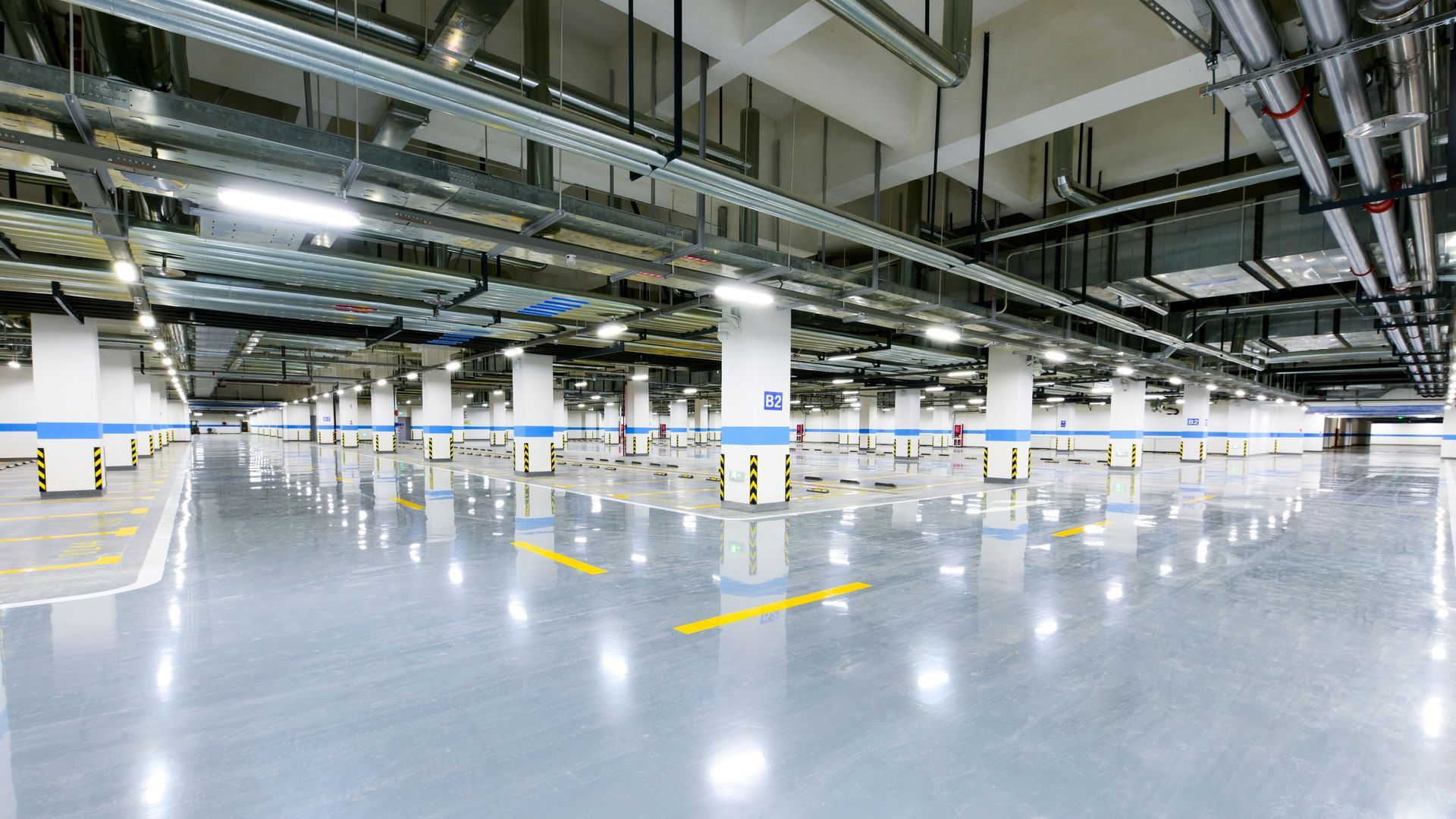
Strategic use of high-visibility colors around loading docks, forklift lanes, and machine perimeters reduces collision risk and improves overall site safety. These applications directly support compliance with workplace safety standards while reducing operational downtime caused by preventable incidents.
Durable Neutrals for High-Wear Industrial Environments
Light Grays and Off-Whites for Visibility and Cleanliness
Light gray and off-white finishes are widely recommended for interior walls and ceilings in manufacturing plants and warehouses. These tones reflect light effectively, improving visibility and reducing the need for excessive artificial lighting. Brighter interiors also make inspections easier by highlighting leaks, cracks, corrosion, and surface damage early.
From a maintenance perspective, neutral finishes help identify contamination, dust buildup, and surface wear faster, supporting proactive facility upkeep. Industrial painters select industrial-grade coatings in these shades to balance cleanliness, durability, and operational efficiency.
Dark Neutrals for Equipment Zones and High-Traffic Areas
Charcoal, slate, and industrial dark grays are commonly used in equipment zones, maintenance bays, and high-traffic corridors. These colors mask surface wear, scuffing, and tire marks while maintaining a professional, controlled appearance.
Applied with abrasion-resistant and chemical-resistant coatings, dark neutrals help extend repainting cycles in demanding environments. According to Workyard, most exterior surfaces are repainted every 7 to 10 years, making color selection and coating durability a critical factor in reducing maintenance frequency and downtime. This reduces maintenance costs and downtime while keeping operational areas visually organized and clearly defined.
High-Visibility Colors for Safety and Workflow Management
Yellow and Orange for Hazard Awareness
Yellow and orange are essential for marking hazard zones, machine perimeters, and forklift lanes. These colors signal caution and movement, improving reaction time in fast-paced environments. Painters use these tones strategically on floors, safety rails, steps, and impact-prone surfaces to reduce accidents and improve spatial awareness, especially in congested or low-visibility areas.
When paired with slip-resistant coatings, these high-visibility colors also enhance traction in wet or oily areas, contributing to safer working conditions. This combination helps reduce incident rates, supports safety audits, and reinforces consistent hazard communication across the facility.
Red for Emergency Equipment and Fire Safety
Red is reserved for emergency equipment, fire protection systems, and critical response areas. Consistent application ensures rapid identification of fire extinguishers, alarm systems, and shutoff valves during emergencies, reducing response time and confusion in high-stress situations.
Industrial painters apply red coatings that maintain color integrity under heat, moisture, and chemical exposure, ensuring emergency markings remain visible and compliant over time. This durability supports ongoing safety compliance and ensures critical response points remain clearly identifiable throughout the life of the facility.
Blue and Green for Process Zoning and Workflow Efficiency
Blue and green are commonly used to designate operational zones, storage areas, or quality control spaces. These colors help visually organize large facilities, making it easier for teams to follow workflows, maintain separation between processes, and quickly identify specific operational areas.
Zoning with color reduces errors, improves navigation, and supports lean manufacturing practices by reinforcing structured movement patterns across the facility floor. Additionally, clearly defined color zones aid in employee training, streamline material handling, and minimize cross-contamination or workflow bottlenecks, contributing to safer and more efficient operations.
Coatings That Extend Asset Life in Industrial Settings
Protective Coatings for Structural Surfaces
Walls, steel beams, concrete floors, and loading dock surfaces benefit from industrial coatings designed to resist moisture, chemicals, abrasion, and impact. Industrial painters recommend epoxy, polyurethane, and corrosion-resistant systems based on exposure conditions and traffic levels, ensuring each surface receives the appropriate level of protection for its operational demands.
Color selection works hand in hand with coating performance, making sure that protective finishes also enhance visibility, cleanliness, and safety compliance. This integrated approach improves durability while supporting inspections, reducing slip hazards, and maintaining clearly defined work zones.
Corrosion-Resistant Finishes for Equipment and Infrastructure
In environments exposed to humidity, chemicals, or temperature fluctuations, corrosion-resistant coatings protect assets from premature deterioration. Painters apply specialized primers and topcoats in functional colors that support both maintenance inspections and visual organization, ensuring critical components remain visible, accessible, and easy to monitor over time.
This approach extends the service life of structural components, reduces replacement costs, and minimizes unplanned shutdowns caused by equipment degradation. It also improves safety by preventing structural weakening and coating failures that can lead to hazards in high-risk operating areas.
Strategic Color Planning for Long-Term Operational Value
Reducing Maintenance Cycles Through Smart Color Selection
The right colors, paired with industrial-grade coatings, reduce visible wear and extend repaint intervals. High-traffic zones benefit from darker, more forgiving finishes, while inspection areas benefit from lighter tones that reveal surface issues early, enabling faster detection of corrosion, cracking, or contamination before damage escalates.
This strategic balance lowers long-term maintenance costs and helps facilities maintain a clean, professional appearance without frequent shutdowns for repainting. It also supports predictive maintenance planning, minimizing disruptions to production schedules and improving overall facility uptime.
Supporting Facility Standards and Brand Consistency
Many manufacturing plants and warehouses operate under strict internal standards for safety colors, zoning, and equipment identification. Painters align color systems with corporate safety programs, operational protocols, and facility branding where applicable, ensuring consistency across production areas, storage zones, and high-risk environments.
Consistent, well-executed color systems reinforce organizational standards while improving navigation, safety compliance, and overall site professionalism. This consistency also simplifies employee onboarding, supports audit readiness, and reduces confusion across shifts, contractors, and multi-site operations.
In industrial environments, color selection is a performance decision and not a cosmetic one. The right finishes improve visibility, reduce risk, protect assets, and support efficient workflows across manufacturing plants and warehouses. When applied by experienced industrial painters, color becomes part of your operational infrastructure; extending asset life, strengthening safety compliance, and minimizing long-term maintenance costs. Strategic coatings and color systems deliver measurable ROI by protecting critical surfaces while creating safer, more efficient industrial facilities. Partner with BICS Inc today to enhance operational performance while reducing maintenance costs and downtime.
Share On: