
Why Industrial Epoxy Floors Are Ideal for Heavy-Duty Spaces
Industrial environments place constant demands on flooring surfaces. Heavy equipment, vehicle traffic, dropped tools, chemical exposure, and continuous foot traffic can all contribute to wear over time. Choosing the right flooring system can play an important role in maintaining a safer and more productive workspace. Industrial epoxy floors have become a popular option in many facilities because they offer durability, easy maintenance, and long-term performance in demanding conditions. This article explores why industrial epoxy floors are often considered an ideal solution for heavy-duty spaces and how they can support the daily needs of industrial environments.
Providing Long Lasting Durability
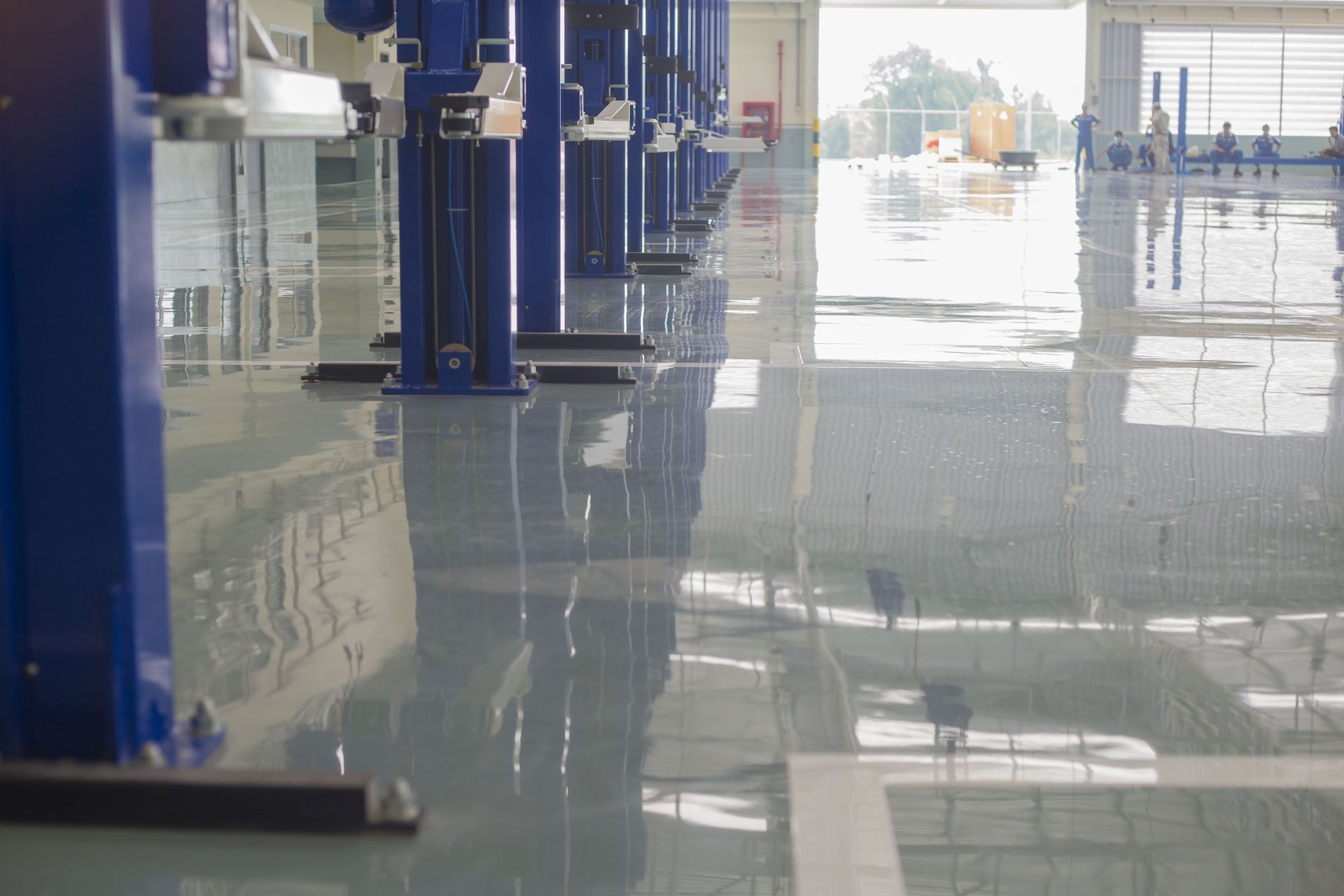
One of the main reasons industrial epoxy floors are widely used is their ability to withstand heavy use. Industrial facilities often operate around the clock, exposing floors to constant traffic from forklifts, machinery, pallets, and workers. Traditional flooring materials may show signs of damage more quickly under these conditions. Industrial epoxy floors create a tough surface that can handle significant pressure and repeated impacts. Their strength helps reduce the likelihood of cracks, chips, and surface deterioration. This durability can contribute to a longer flooring lifespan, making it a practical choice for facilities that depend on reliable flooring performance. A durable floor can also help reduce interruptions caused by repairs or replacement projects. When flooring remains in good condition, daily operations can continue with fewer disruptions.
Resisting Heavy Traffic Demands
Many industrial environments experience continuous movement throughout the day. Warehouses, manufacturing facilities, distribution centers, and processing plants often depend on equipment and personnel moving efficiently through the workspace. Industrial epoxy floors are designed to perform well under these demanding conditions. Their smooth and resilient surface can accommodate repeated traffic without showing excessive wear. This makes them suitable for areas where forklifts, carts, and heavy machinery are frequently used. A flooring system that can withstand heavy traffic helps maintain a professional appearance while supporting productivity. Facilities that experience constant activity often benefit from flooring that remains functional and visually consistent over time.
Supporting Easier Maintenance
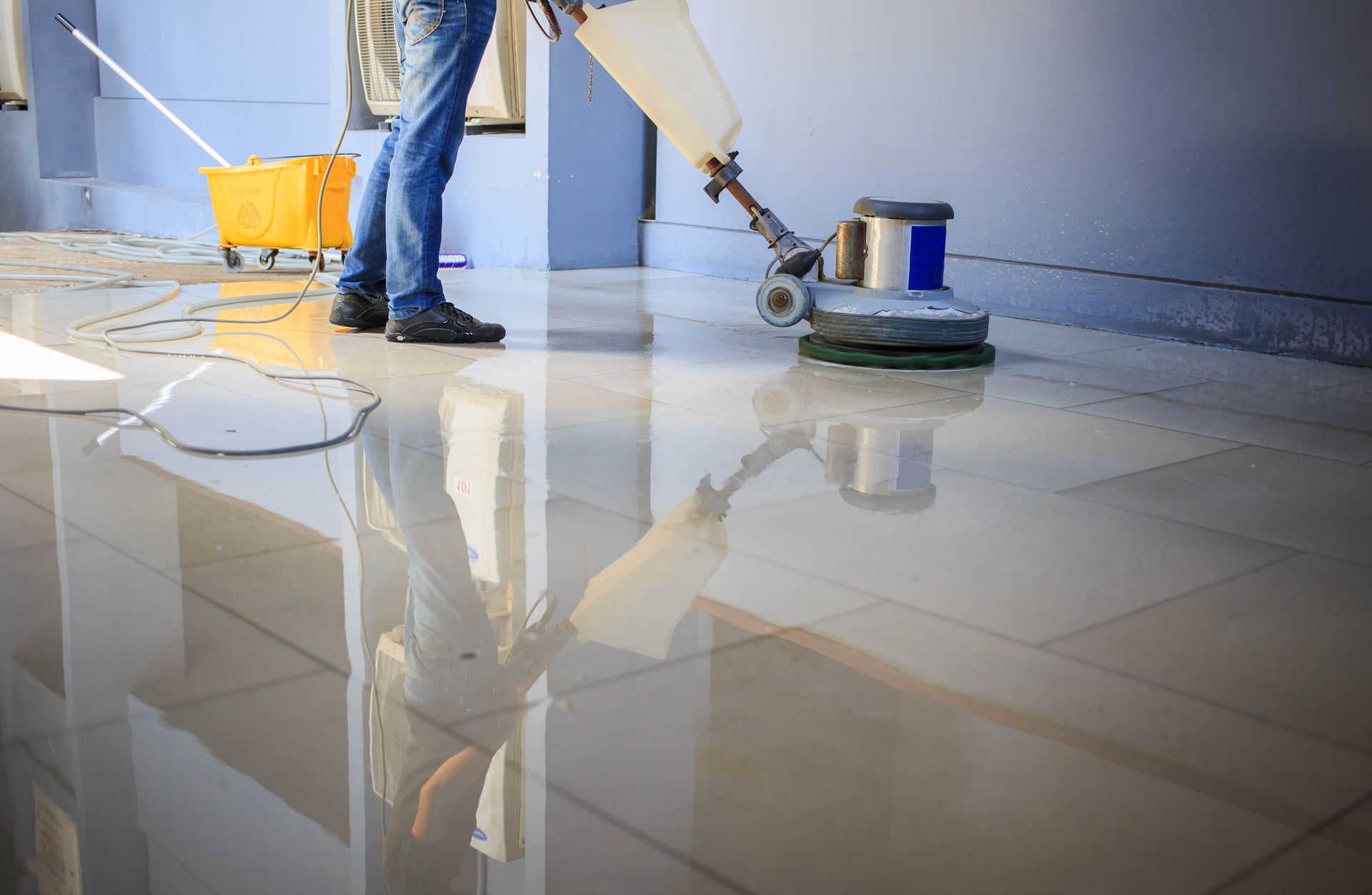
Keeping industrial spaces clean can be challenging. Dust, dirt, grease, chemicals, and debris may accumulate quickly in busy work environments. Flooring that is difficult to clean can create additional maintenance demands. Industrial epoxy floors are often valued for their smooth, seamless surface. Unlike some flooring materials that contain joints or gaps, epoxy flooring creates a continuous surface that is easier to maintain. Dirt and debris are less likely to become trapped, allowing cleaning crews to work more efficiently. Routine cleaning procedures can often help maintain the appearance and performance of the flooring. Cleaner surfaces may also contribute to a more organized work environment and support workplace safety efforts.
Creating Greater Resistance to Chemicals
Industrial facilities frequently encounter substances that can damage standard flooring materials. Oils, solvents, cleaning agents, fuels, and other chemicals may be present during daily operations. Repeated exposure can weaken some surfaces and lead to costly repairs. Industrial epoxy floors are often selected because they provide strong resistance to many common industrial chemicals. This protective quality helps reduce surface damage and supports the longevity of the flooring system. When flooring remains resistant to chemical exposure, facilities may experience less maintenance concerns. This can be especially valuable in manufacturing, processing, and storage environments where chemical contact occurs regularly.
Delivering Strong Surface Protection
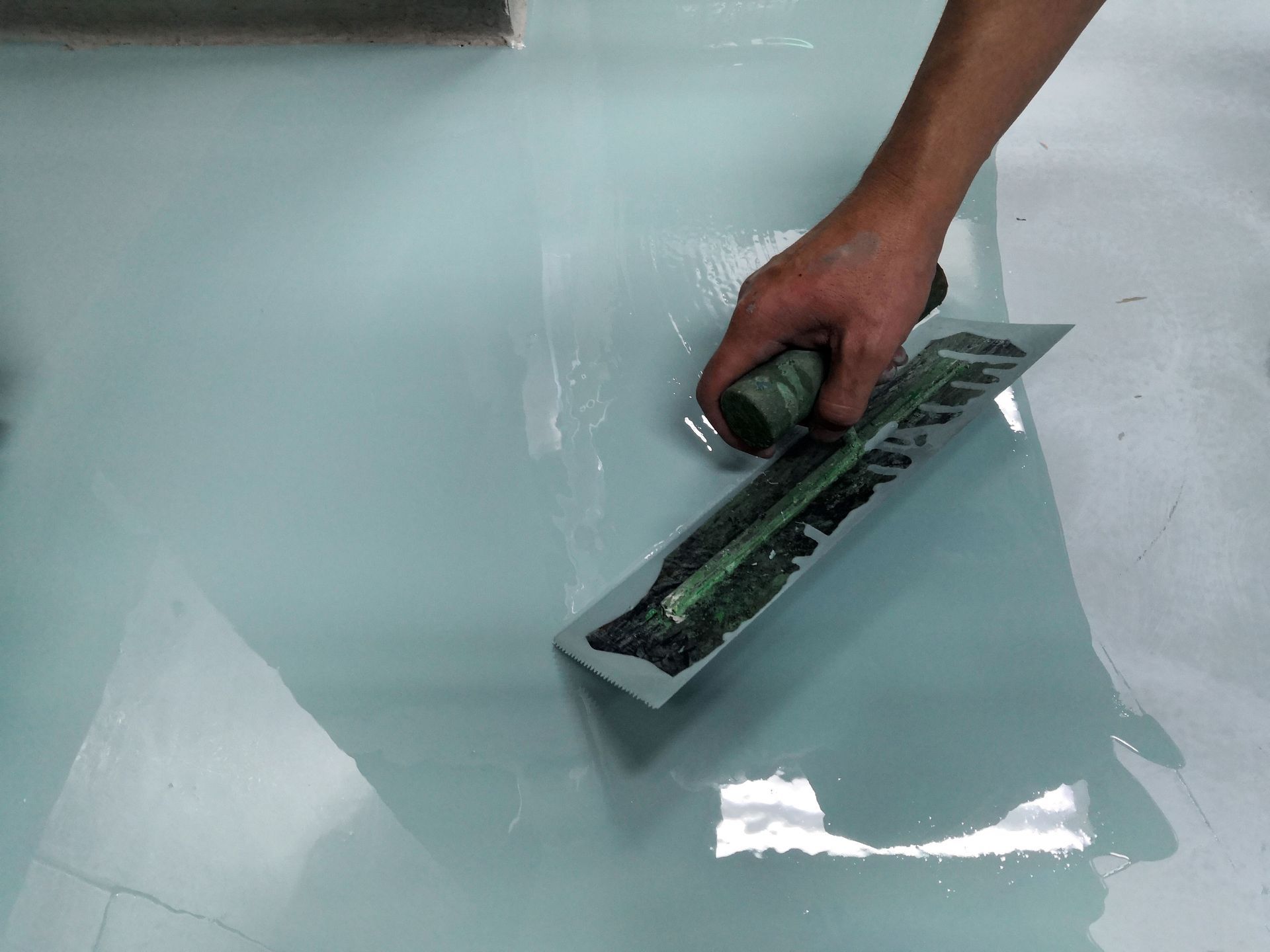
Heavy-duty spaces often face conditions that can wear down ordinary flooring. Impact from dropped tools, movement of equipment, and constant activity may gradually damage exposed concrete surfaces. According to Home Advisor, epoxy flooring is a two-part coating made from synthetic resins and a hardener that bonds to concrete to create a continuous, durable surface. This unique composition helps strengthen the flooring and create a protective layer over the concrete beneath it. The resulting surface is designed to withstand demanding conditions while helping reduce common forms of wear and deterioration. This added protection can help extend the life of the underlying concrete and support the overall performance of the workspace.
Improving Workplace Appearance
Functionality is important in industrial settings, but appearance also matters. Clean and well-maintained facilities often create a positive impression for employees, visitors, clients, and inspectors. Industrial epoxy floors provide a smooth and uniform appearance that can help industrial spaces look more organized and professional. A brighter and cleaner-looking floor may also improve visibility throughout the facility. Maintaining a professional environment can support workplace morale and reflect positively on overall operations. Flooring that continues to look presentable despite heavy use offers both practical and visual benefits.
Promoting Safer Working Conditions
Safety remains a major priority in industrial environments. Flooring can influence workplace safety in several ways, particularly in areas with frequent movement and equipment operation. Industrial epoxy floors can contribute to safer conditions by creating a consistent surface free from many of the irregularities that develop in damaged flooring. Cracks, chips, and uneven surfaces can increase the risk of trips and falls. A durable flooring system may help reduce these concerns. Some industrial environments also require flooring solutions that support visibility and organization. Clearly defined pathways and designated work zones can be incorporated into flooring systems to help improve navigation and workflow throughout the facility. Seeking professional guidance when selecting and installing flooring can help facilities identify options that align with their safety goals and operational requirements.
Accommodating Various Industrial Environments
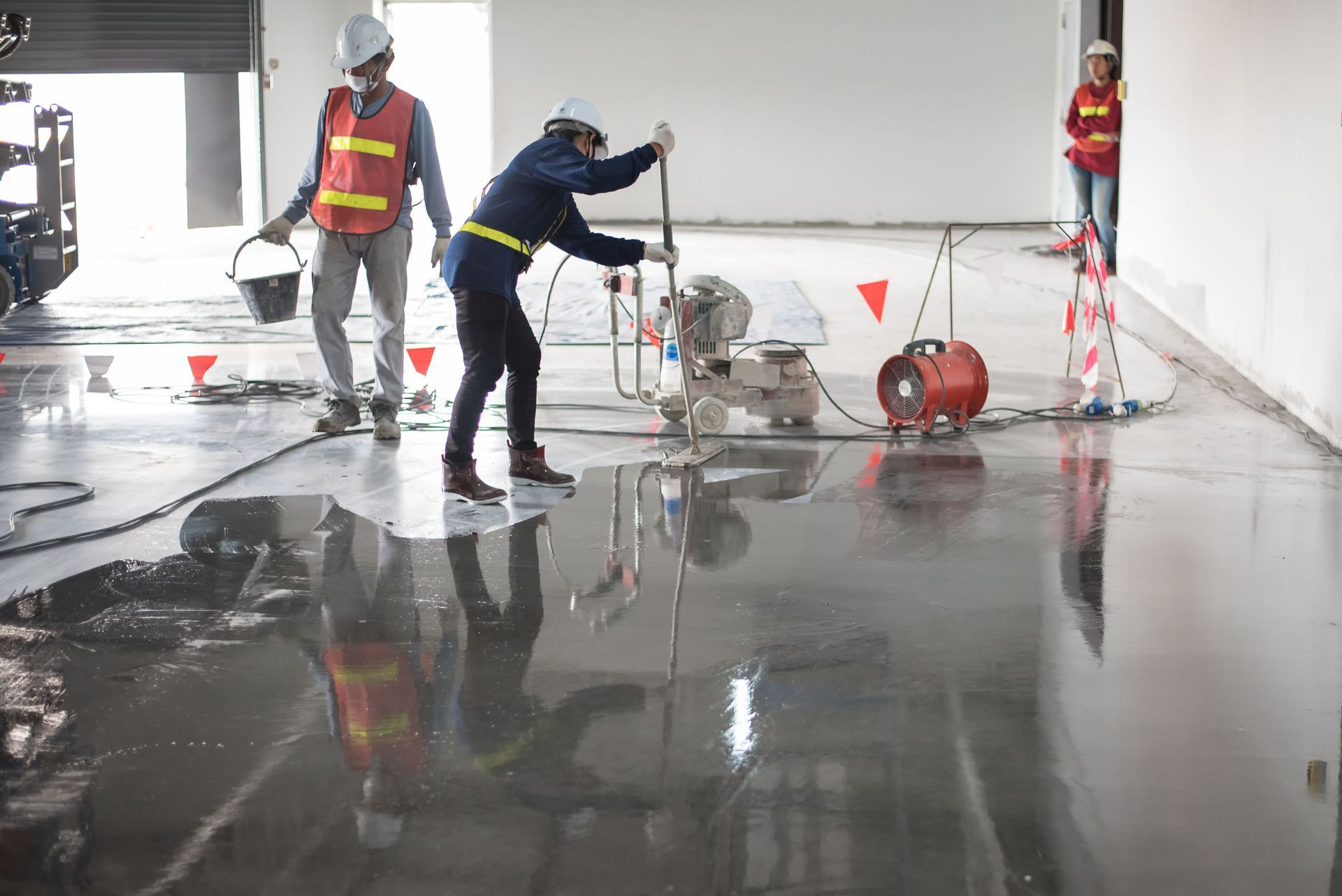
Industrial facilities vary significantly in their daily operations and environmental conditions. Warehouses, production facilities, logistics centers, and processing plants all have unique flooring demands and performance expectations. Industrial epoxy floors are often chosen because they can perform well across a wide range of settings. Their combination of durability, chemical resistance, and ease of maintenance allows them to adapt to different industrial applications and changing workplace demands. Facilities can benefit from flooring systems that support their operational needs while remaining dependable under demanding conditions. Professional evaluation can help determine the most suitable flooring approach based on the specific environment, traffic levels, equipment usage, and workload requirements.
Reducing Long-Term Flooring Concerns
Flooring issues can create operational challenges and increase maintenance costs. Frequent repairs, surface damage, and deterioration may require additional resources and downtime. Industrial epoxy floors are often viewed as a long-term flooring solution because of their durability and protective qualities. Their ability to withstand heavy traffic, resist chemicals, and support easier maintenance can help reduce ongoing flooring concerns. Many facilities appreciate flooring systems that continue performing reliably even in areas with constant activity and demanding workloads. Investing in flooring that performs well under industrial conditions may contribute to greater operational efficiency over time. Facilities that experience fewer flooring-related disruptions can remain focused on daily productivity and long-term goals. Reduced repair needs can also help organizations better manage maintenance schedules and allocate resources to other important operational priorities.
Heavy-duty spaces require flooring systems capable of handling demanding conditions while supporting safety, cleanliness, and operational efficiency. Industrial epoxy floors offer many advantages, including durability, chemical resistance, easier maintenance, and long-lasting performance. Their ability to withstand constant use makes them a practical option for a variety of industrial environments. These benefits can support smoother operations and help facilities maintain a professional appearance despite challenging working conditions. For dependable guidance on industrial epoxy floors, contact BICS Inc today to discuss flooring solutions that support the demands of heavy-duty commercial and industrial spaces.
Share On: