
How Epoxy Floors Provide Durable and Reliable Surfaces
Epoxy flooring has emerged as a popular and reliable choice for various settings, offering a unique combination of durability and aesthetic appeal. From industrial environments to residential spaces, epoxy floors provide surfaces that withstand significant wear and tear. Their importance lies not just in their durability but also in their versatility and cost-effectiveness, making them a preferred choice in many sectors. These surfaces are designed to handle demanding conditions while maintaining a polished and professional appearance over time.
1. Understanding Epoxy Flooring
1.1 Definition of Epoxy Materials
Epoxy is a thermosetting polymer that cures when mixed with a hardening agent, forming a rigid plastic material. This chemical reaction creates a strong, adhesive bond that is resistant to degradation. Widely used in various industries, epoxy is known for its exceptional mechanical properties and strong adhesion to a range of substrates. Its application in flooring is particularly beneficial due to its ability to form a seamless, durable surface. This makes it an ideal choice for environments that require robust flooring solutions.
Epoxy floors are created by applying multiple layers of epoxy resin to a floor surface, typically over concrete. The resin and hardener components form a chemical bond with the substrate, ensuring a strong and durable finish. This process results in a surface that is not only aesthetically pleasing but also highly functional. Different formulations allow the flooring to meet specific needs such as enhanced durability or slip resistance.
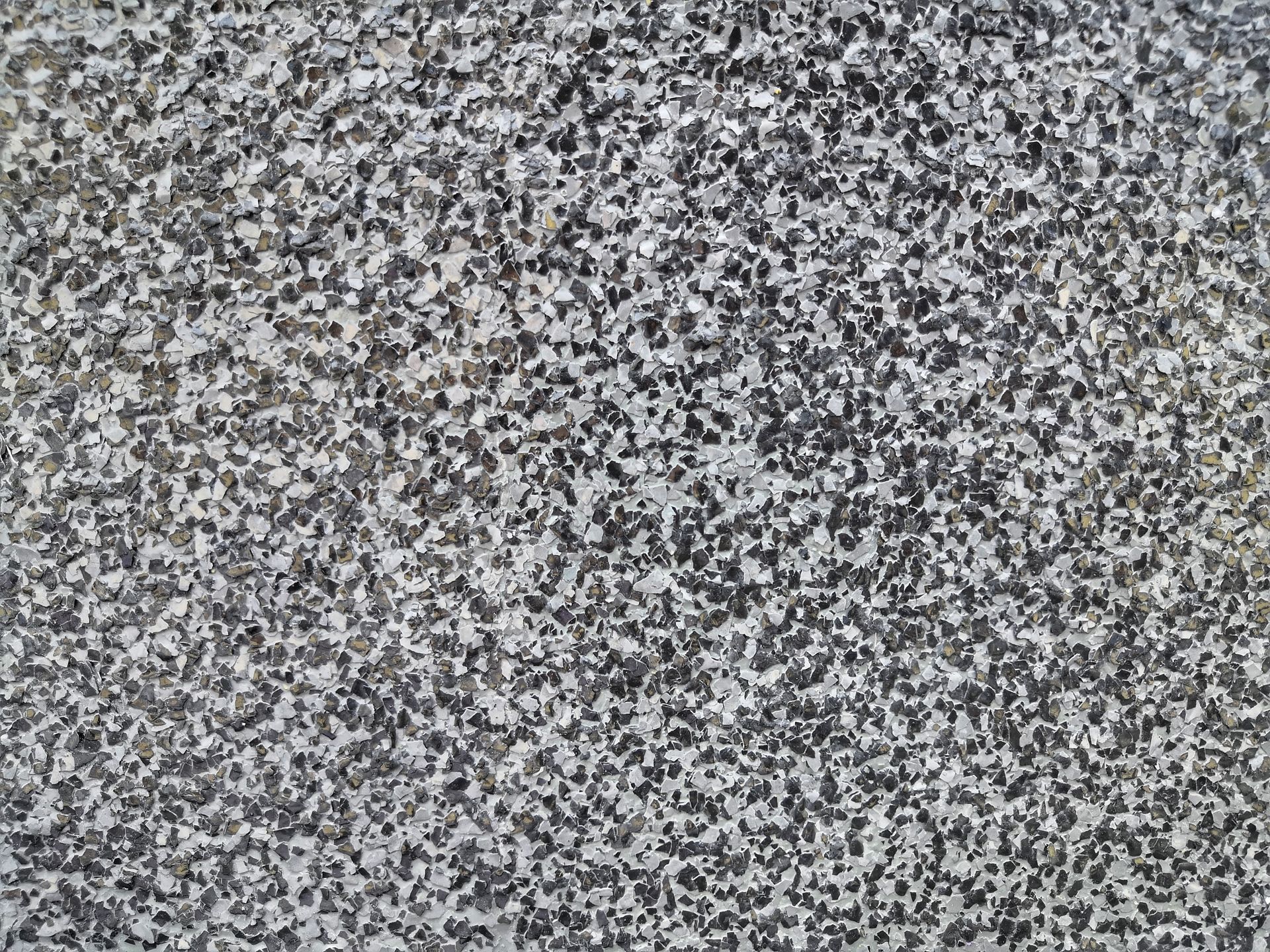
One of the key benefits of epoxy flooring is its ability to be customized with different colors, patterns, and textures. This flexibility allows for creative design possibilities, enhancing the visual appeal of a space. Decorative additions such as flakes or aggregates can also improve traction and durability. These features make epoxy floors a versatile solution for both residential and commercial environments.
1.2 Types of Epoxy Flooring Systems
There are several types of epoxy flooring systems, each designed to meet specific needs and requirements. Self-leveling systems provide a smooth, seamless finish that is easy to maintain, while mortar systems are built for heavy-duty industrial use. Decorative systems incorporate colored aggregates to create visually appealing finishes in showrooms and retail environments.
Water-based systems are often chosen for residential applications due to their lower emissions and ease of installation. However, solid systems generally offer greater durability and longevity. According to HomeGuide, water-based options may last 3 to 5 years, while more durable systems can last 10 to 20 years depending on use conditions.
1.3 Composition and Structural Performance
The composition of these flooring systems plays a major role in their overall performance. The combination of resin and hardener creates a dense, non-porous surface that resists wear and chemical damage. Additives such as quartz or pigments can be included to enhance durability and visual appeal.
Surface preparation is equally important to ensure proper adhesion. Concrete substrates must be cleaned and repaired before installation begins. This preparation helps prevent future issues and supports long-term performance. A properly prepared base ensures that these surfaces maintain their strength and finish over time.
1.4 Installation Process and Application Steps
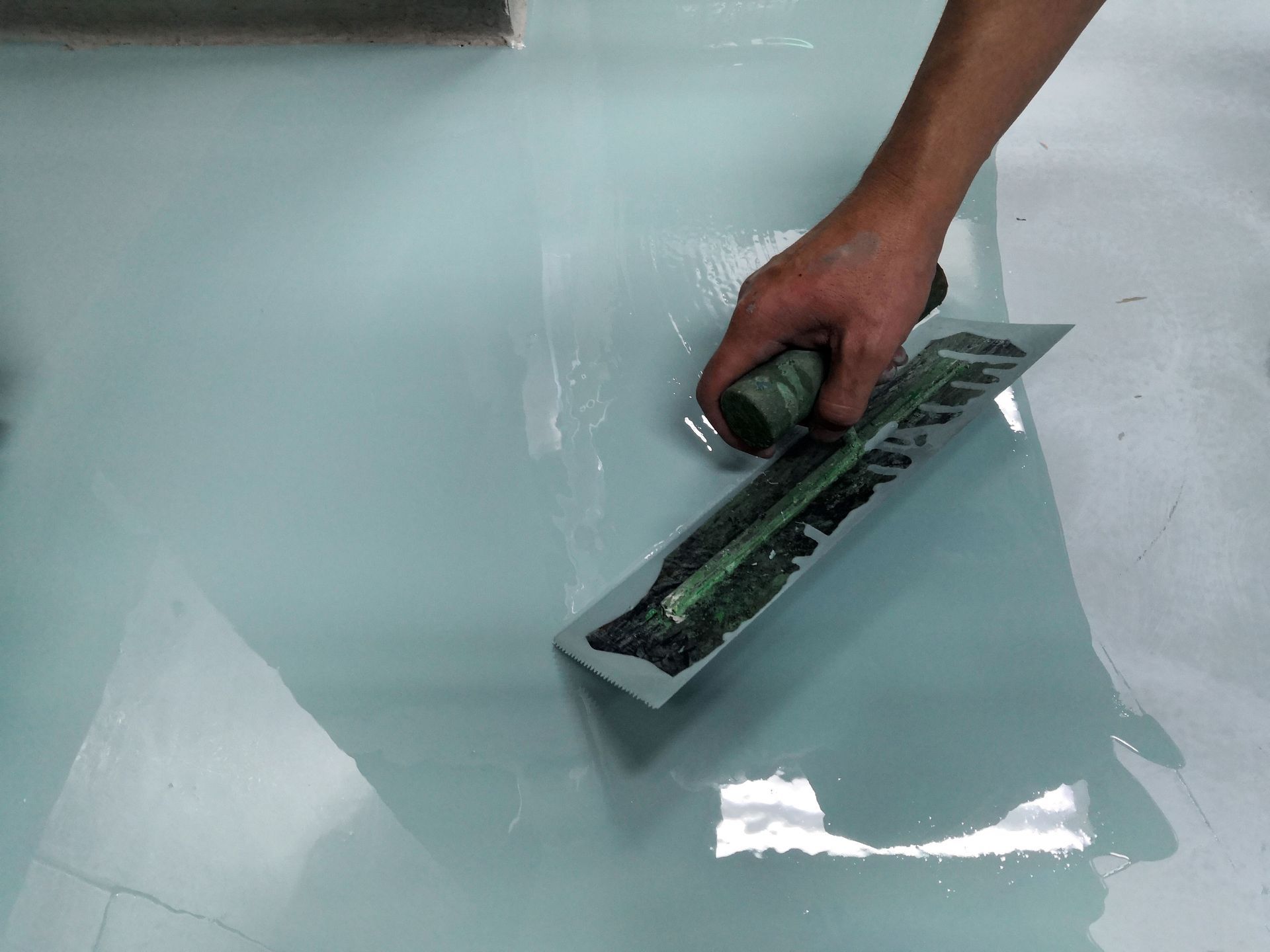
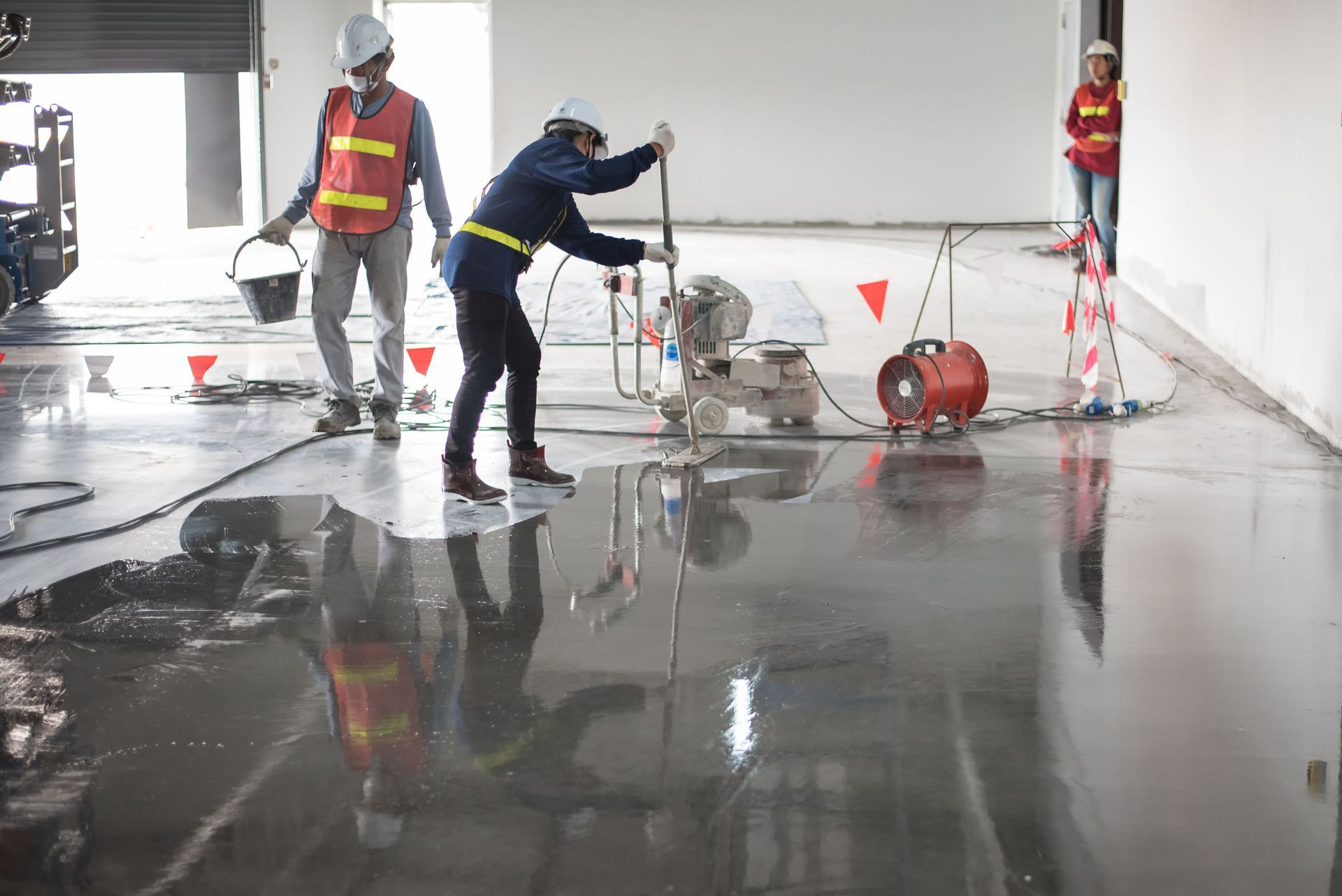
The installation process begins with thorough surface preparation, including cleaning and repairing imperfections. Once the surface is ready, the epoxy mixture is applied evenly across the floor. Multiple layers may be added depending on the desired thickness and performance requirements.
Each layer must cure properly before the next is applied, ensuring a strong bond throughout the system. After curing, the surface is inspected and finished to achieve a consistent appearance. This careful process contributes to the durability and reliability that epoxy floors are known for.
1.5 Common Applications Across Industries
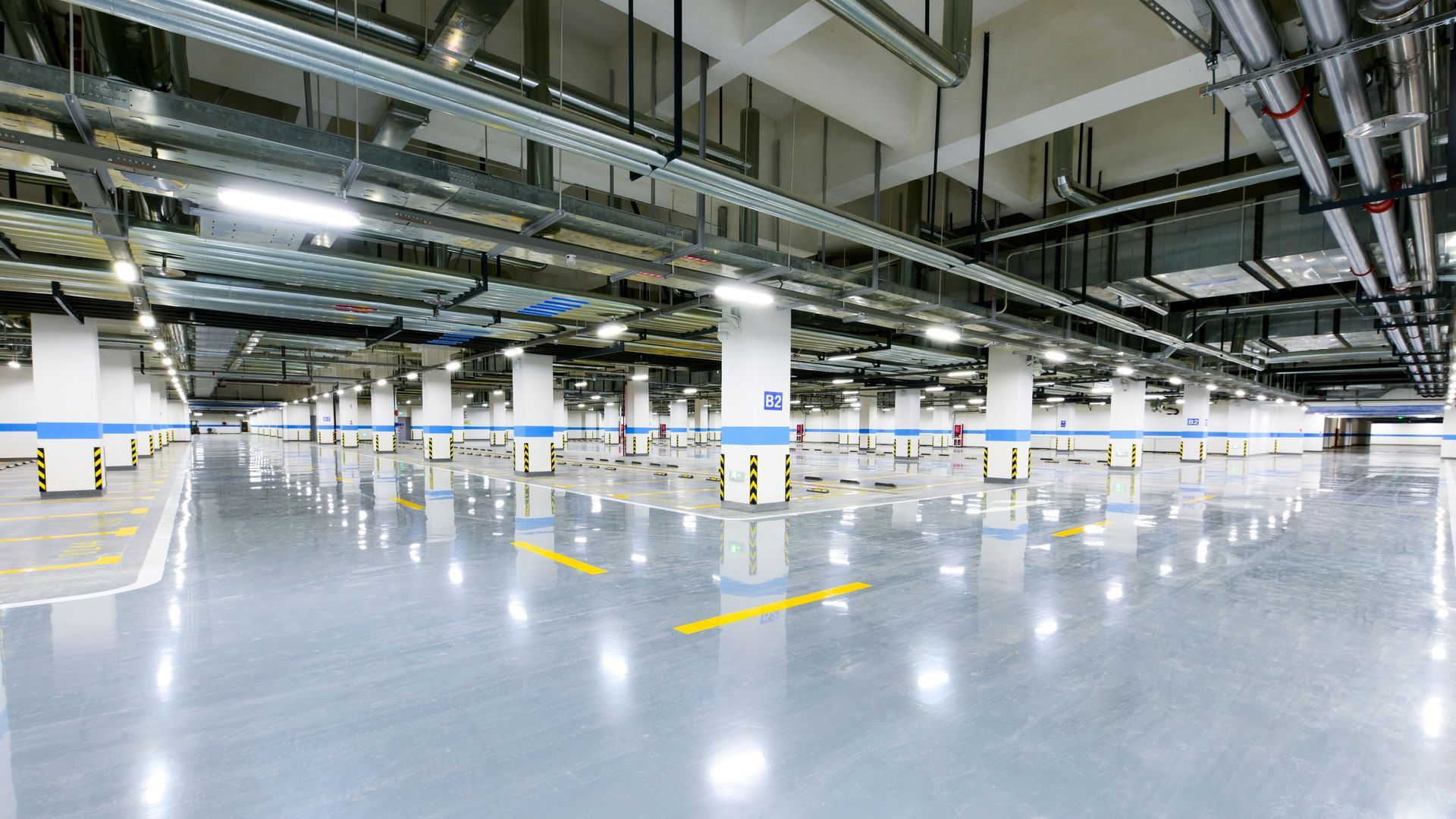
Epoxy floors are widely used in industrial settings where durability and chemical resistance are essential. Warehouses, manufacturing plants, and automotive facilities rely on these surfaces to handle heavy equipment and daily operations. Their seamless finish also supports cleanliness and efficiency.
In commercial spaces, these flooring solutions enhance visual appeal while maintaining performance. Retail stores and showrooms benefit from customizable designs that attract customers. Residential applications such as garages and basements also take advantage of the durability and easy maintenance provided by epoxy flooring.
2. Benefits of Epoxy Flooring
2.1 Durability and Long-Term Performance
One of the most significant benefits of epoxy flooring is its durability. These surfaces are designed to withstand heavy loads, frequent use, and challenging conditions without breaking down. This makes them ideal for environments that demand long-lasting performance.
The lifespan of epoxy floors reduces the need for frequent replacements, making them a practical investment. Their ability to resist wear and maintain structural integrity contributes to their widespread use across industries.
2.2 Resistance to Chemicals and Stains
Epoxy flooring offers strong resistance to chemicals and stains, making it suitable for environments where spills are common. The non-porous surface prevents liquids from penetrating, protecting the underlying material.
This resistance also simplifies cleaning and maintenance. Spills can be quickly wiped away without leaving lasting damage. These features make epoxy floors a reliable choice for both industrial and residential settings.
2.3 Aesthetic Appeal and Design Flexibility
The visual appeal of epoxy flooring is another major advantage. These surfaces can be customized with a variety of colors, finishes, and textures. This allows property owners to create unique and attractive environments.
Decorative elements such as metallic finishes or flakes add depth and style. These design options make epoxy flooring suitable for spaces where appearance is just as important as performance.
2.4 Cost-Effectiveness
Epoxy flooring is considered cost-effective due to its longevity and low maintenance requirements. The durability of these surfaces reduces repair and replacement costs over time.
Additionally, the installation process is efficient, minimizing downtime in commercial settings. This combination of durability and efficiency makes epoxy flooring a smart investment for many property owners.
2.5 Ease of Cleaning and Maintenance
The smooth surface of epoxy flooring makes it easy to clean and maintain. Regular sweeping and occasional mopping are usually enough to keep the floor in good condition.
Because the surface resists stains and debris, maintenance efforts are reduced. This ease of care is a key reason why epoxy flooring are widely used in high-traffic areas.
3. Epoxy Flooring in Commercial Settings
3.1 Industrial and Manufacturing Environments
Industrial facilities rely on epoxy flooring for their strength and resistance to harsh conditions. These surfaces support heavy machinery and frequent use without deteriorating. Their durability helps maintain productivity and safety.
In addition, the seamless finish reduces dust and improves cleanliness. This contributes to a more efficient and organized work environment.
3.2 Retail and Showroom Applications
Retail spaces benefit from the visual appeal and durability of epoxy flooring. These surfaces create a modern look while withstanding heavy foot traffic. Businesses can customize designs to match branding and enhance customer experience.
The easy maintenance of epoxy flooring also helps maintain a clean and professional appearance. This is essential in environments where presentation matters.
3.3 Healthcare and Specialized Facilities
Epoxy flooring is well-suited for healthcare facilities due to its hygienic properties. The seamless and non-porous surface helps reduce the spread of contaminants and supports strict cleanliness standards.
Its durability and resistance to cleaning chemicals ensure long-term performance. These qualities make epoxy flooring a reliable option for environments with high sanitation requirements. Contact our team at BICS Inc today and get connected with our flooring services.
Share On: