
Ways Industrial Painting Protects Your Equipment and Property
In industrial environments, sustaining the integrity of equipment and property is paramount to operational success and safety. One of the pivotal strategies in this protective regime is industrial painting. It serves not only as a shield against harsh environmental elements but also as a means to enhance the visual appeal and brand identity of industrial spaces.
The protective benefits of industrial painting span across multiple dimensions, from corrosion resistance to aesthetic enhancements. According to Workyard, interiors of commercial properties are typically repainted every two to four years to address maintenance, wear and tear, and branding updates. By understanding the comprehensive role of this type of painting, businesses can make informed decisions to safeguard their assets.
Corrosion Resistance
Corrosion and Its Impact
Corrosion is the gradual destruction of materials, particularly metals, through chemical reactions with their environment, notably oxidation. In industrial settings, corrosion can severely compromise the structural integrity of equipment, leading to costly repairs or replacements. Hence, understanding corrosion's fundamental dynamics is essential for effective prevention.
Significant economic losses globally can be attributed to corrosion, which also raises safety concerns. By eroding critical industrial components, corrosion often results in machinery failures and operational downtimes. Therefore, employing effective anti-corrosion strategies, like industrial painting, is vital in sustaining operational efficiency.
This type of painting serves as a frontline defense against corrosion, providing a barrier that shields surfaces from exposure to moisture, chemicals, and other corrosive agents. This protective measure extends the life of machinery and infrastructure, ensuring these assets remain functional and safe. By implementing corrosion-resistant coatings, industries can secure long-term savings and operational reliability.
Types of Protective Coatings
The variety of protective coatings available in the market addresses diverse industrial needs. These include epoxy coatings, polyurethane, zinc-rich paints, and polymer coatings, each offering unique protective properties. Epoxy coatings, for instance, are popular for their excellent adhesion, chemical resistance, and surface protection abilities.
Polyurethane coatings are valued for their durability and flexibility, often used in environments subject to mechanical stress. Zinc-rich paints provide cathodic protection, which is particularly effective in resisting rust on steel surfaces. Selecting the appropriate coating type depends on the specific environmental conditions and exposure risks faced by the equipment.
Industries must evaluate their particular needs to choose the most suitable type of protective coating. By doing so, they can optimize the protective qualities of industrial painting to align with their operational requirements. Such strategic decisions help industries maintain the functionality and longevity of their highly valued assets.
Application Techniques for Maximum Resistance
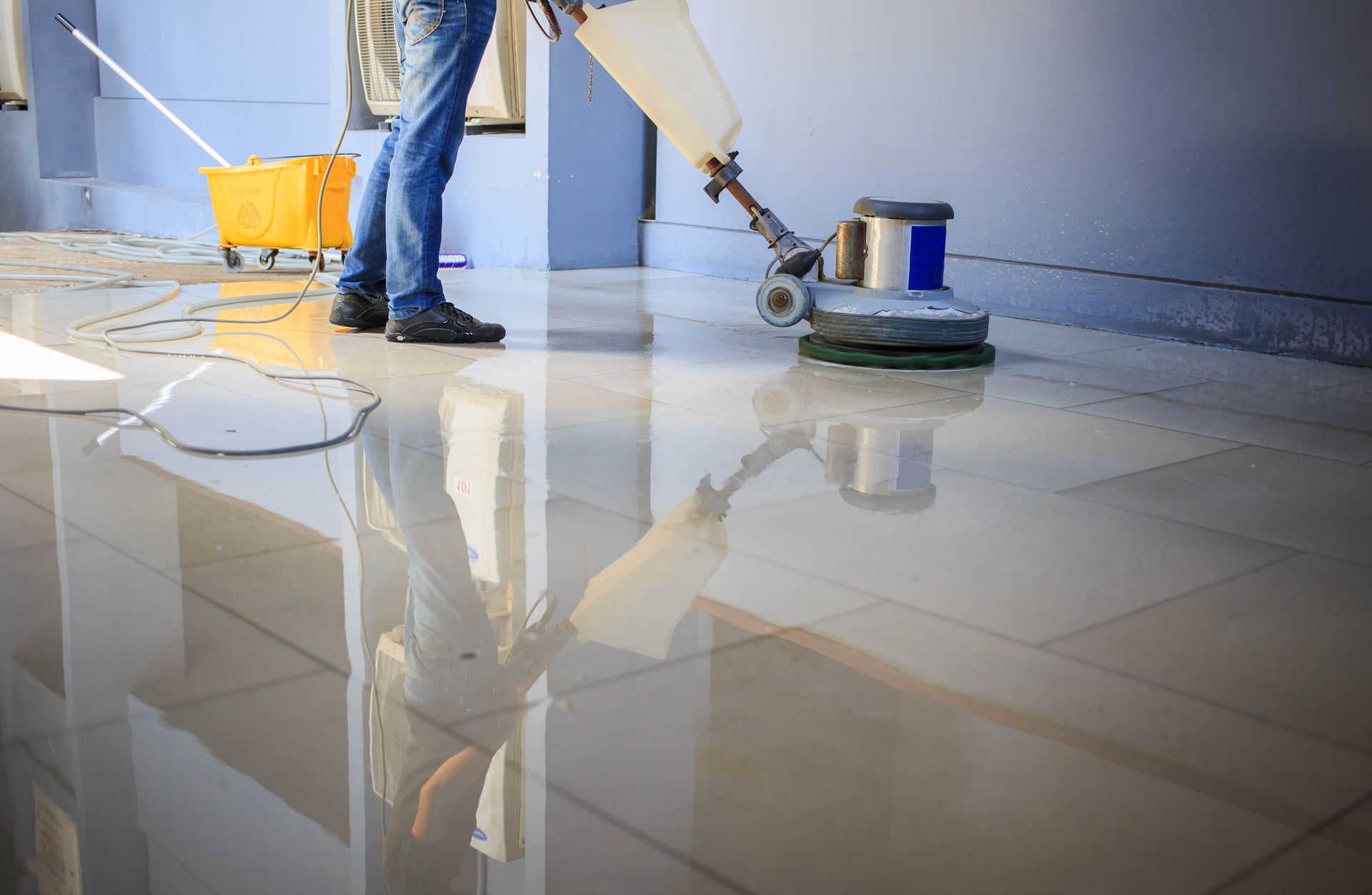
The effectiveness of protective coatings heavily relies on application techniques. Surface preparation is a critical initial step, removing corrosion, cleaning the surface, and ensuring the coating adheres properly. Techniques like sandblasting or power brushing may be employed to achieve a pristine application surface.
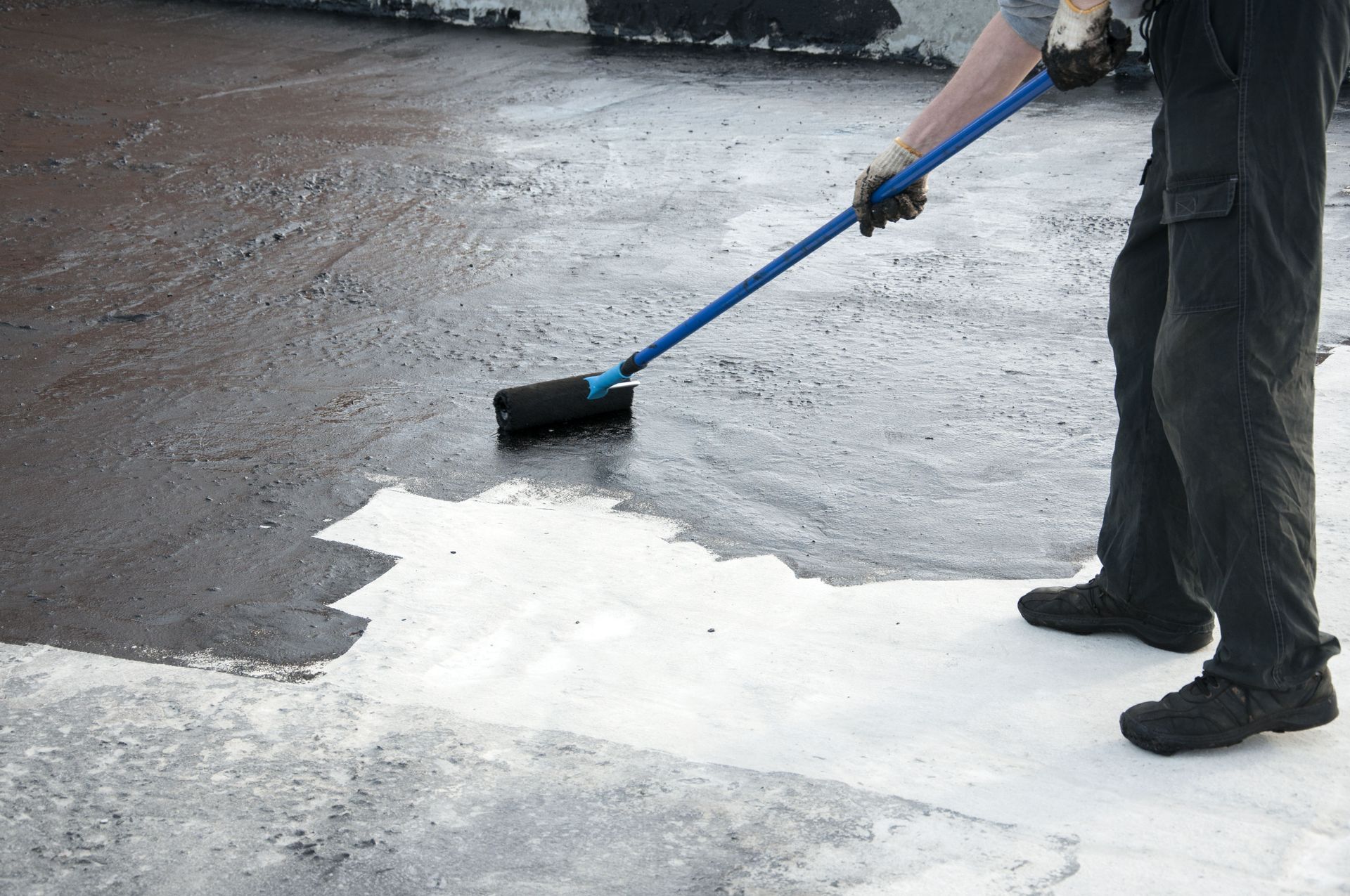
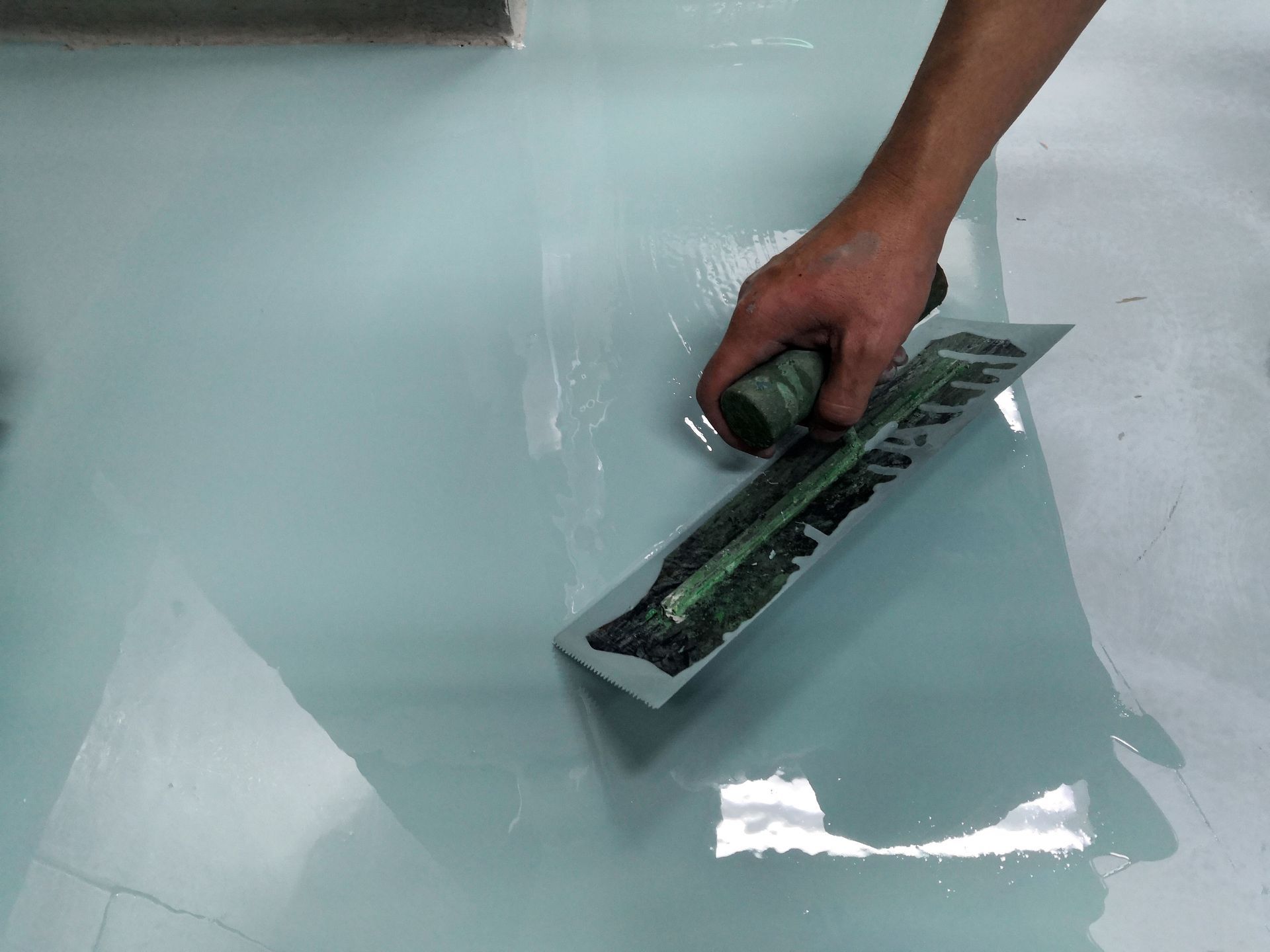
Applying coatings with precision further involves techniques such as spray, brush, or roller application, depending on the coating type and surface. Skilled application ensures an even coat and optimal dielectric properties, which are crucial for forming an effective barrier against environmental threats.
Professionals in industrial painting follow stringent protocols to maximize resistance and longevity. This disciplined approach not only enhances the quality of the coating but also improves safety and compliance with established industry standards. Through meticulous application, coatings achieve their intended protective functionalities.
Case Studies in Corrosion Prevention
Numerous industries have successfully utilized this type of painting to prevent corrosion, showcasing its effectiveness through various case studies. For instance, the oil and gas industry often employs protective coatings to shield offshore platforms from seawater corrosion. These platforms require robust protection due to their constant exposure to harsh marine environments.
Another example is the transportation sector, where transportation infrastructure like bridges and pipelines undergo consistent maintenance with corrosion-resistant coatings to ensure safety and extend service life. The application of specialized coatings in these sectors serves not only as a protective measure but also as a means to optimize performance and reduce long-term maintenance costs.
Chemical Protection
Types of Chemicals in Industrial Environments
Furthermore, industrial environments often expose equipment to a wide variety of chemicals, each posing distinct risks. These can include acids, alkalis, solvents, and salts, all of which can aggressively affect the integrity of surfaces if unprotected. Recognizing the types of chemicals present is a primary step in selecting the appropriate protective measures.
Chemicals such as sulfuric acid or hydrochloric acid found in the chemical manufacturing industry are highly corrosive. In manufacturing sectors, exposure to solvents and oils is more common, requiring different protective strategies. The diversity in chemical exposure necessitates tailored industrial painting solutions to ensure adequate protection.
Identifying chemical threats and understanding their impact on materials is critical for safeguarding industrial assets. Through strategic painting, businesses can effectively shield equipment and facilities from chemical damage. Such protection contributes to operational efficiencies and ongoing asset preservation.
Chemical-Resistant Paints
The selection of chemical-resistant paints is crucial for effectively mitigating chemical exposure risks. Epoxy-based coatings are frequently chosen due to their excellent resistance to chemical solvents and acids. Other options like phenolic resins and vinyl ester coatings also provide robust protection against harsh chemical environments.
Furthermore, selecting paints with proven resistance properties can significantly extend the life of industrial assets. Chemical-resistant paints form a durable barrier that prevents chemical absorption and degradation of underlying surfaces. Industries must assess their specific chemical exposure risks to select the most appropriate protective paint solutions.
Engaging with experienced professionals ensures that the correct type of paint is applied in the right conditions. This tailored approach maximizes protection against chemical threats, protecting valuable industrial equipment and infrastructure. Consequently, effective paint selection supports uninterrupted operations and reduces maintenance demands.
Application Strategies for Chemical Environments
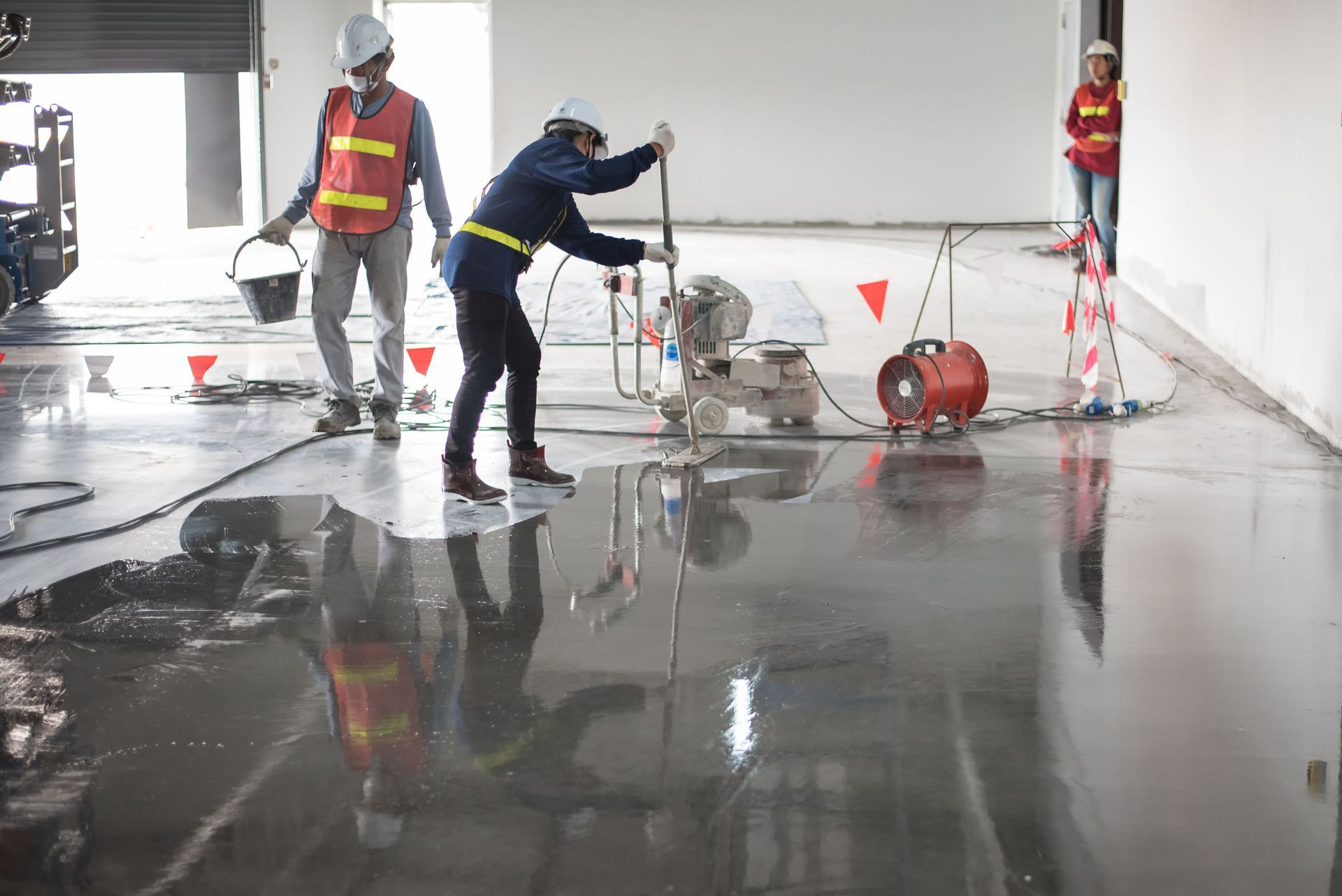
Applying coatings in chemically aggressive environments requires specialized strategies to ensure maximum protection. Surface preparation remains a critical step to remove any prior contaminants and ensure the surface is ready for paint application. Utilizing advanced techniques, such as airless spray, ensures even coating and effective bonding in challenging environments.
Precise application is important to prevent any weak points in the protective coating that could allow chemical penetration. Professional application also involves monitoring environmental conditions like temperature and humidity during the process to avoid complications. Skilled personnel ensure the coatings are applied diligently to withstand chemical exposure.
Regular training and staying updated with technological advancements in application techniques are essential to optimize protective measures. Well-planned application strategies contribute significantly to the effectiveness of chemical-resistant paints, ensuring long-term asset protection and operational safety. By adhering to these methods, industries enhance their resilience against chemical threats.
Long-term Benefits of Chemical Protective Coatings
Investing in chemical protective coatings provides significant long-term benefits, both financially and operationally. These coatings prevent premature deterioration of equipment, averting costly repairs and replacements. Moreover, by enhancing equipment lifespan, businesses can achieve better returns on their initial investments.
In addition to direct financial savings, effective chemical protection promotes operational reliability, minimizing downtime caused by equipment failures. Continuous operation without interruptions ensures consistent productivity and profitability. Such benefits illustrate the value of integrating chemical protection into industrial maintenance strategies.
Industrial painting plays a vital role in protecting equipment, preserving property value, and supporting long-term operational efficiency. By choosing the right coatings and application methods, businesses can strengthen durability, reduce maintenance costs, and maintain safer work environments. Contact BICS Inc today to get started with our services.
Share On: